
Optimal Timing for Tree Removals
Determining the optimal time for tree removals depends on several factors including tree species, local climate, and specific circumstances. Proper timing ensures safety, minimizes impact on surrounding vegetation, and can reduce costs associated with the removal process.
Winter is often considered ideal for tree removals due to dormant trees, which reduces stress and damage to nearby plants.
Tree removals during spring and summer can disrupt active growth, but may be necessary due to storm damage or safety concerns.
Fall offers a balance between dormancy and manageable weather conditions, making it a suitable time for many removals.
Avoid removals during heavy rain or extreme heat to ensure safety and reduce complications during the process.
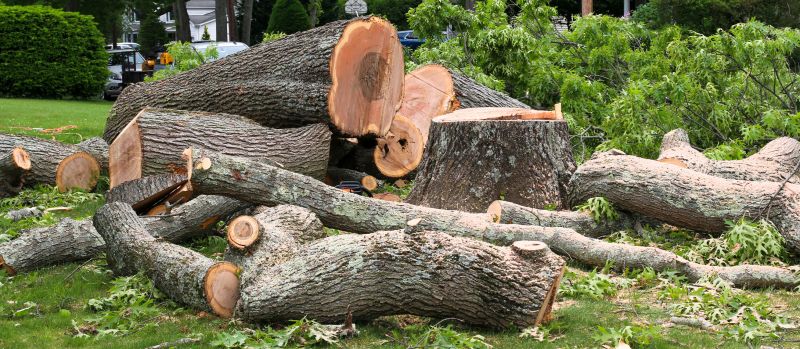
Winter tree removal reduces stress on remaining vegetation and can be more straightforward due to leafless trees.

Storm-damaged trees often require immediate removal regardless of season.

Spring removals are scheduled to avoid disrupting the active growth period.

Summer removals may be necessary after storms or for safety concerns, despite active growth.

Fall offers favorable weather and trees in dormancy for safe removal.

Avoiding extreme weather conditions ensures safer and more efficient removals.

Different species have specific dormancy periods optimal for removal.
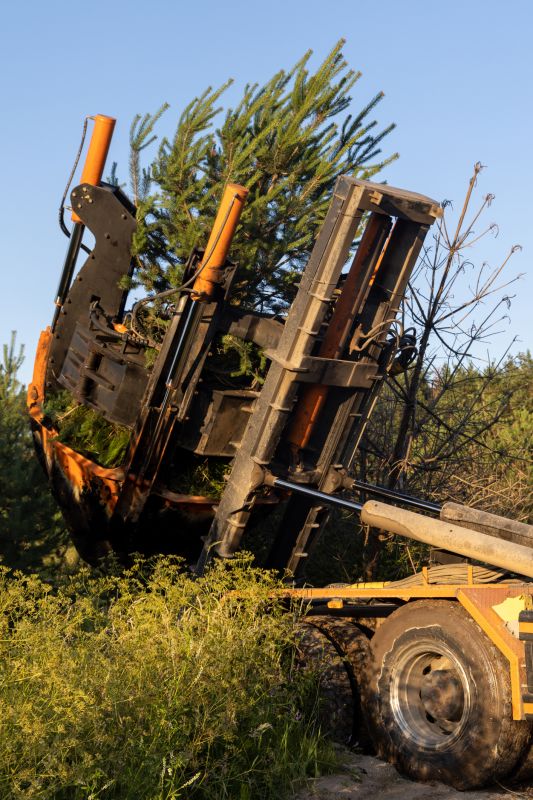
Seasonal conditions can influence the choice of equipment and techniques used.

Timing also affects subsequent landscaping and replanting plans.
| Season | Ideal for Tree Removals |
|---|---|
| Winter | Yes, due to dormancy and less impact on surrounding flora. |
| Spring | Yes, but avoid active growth periods. |
| Summer | Possible after storms or emergencies, but less ideal. |
| Fall | Yes, as trees enter dormancy and weather is favorable. |
Tree removals are a critical aspect of landscape management, ensuring safety and health of the property. Proper timing reduces risks associated with falling branches or entire trees, especially during storms or high winds. Additionally, scheduling removals during dormancy minimizes disruption to the ecosystem and can make the process more efficient.
Statistics indicate that seasonal timing can influence the cost and complexity of tree removals. Winter removals tend to be less expensive and faster due to easier access and reduced foliage. Conversely, removals during active growing seasons may incur higher costs and require more careful planning to avoid damage to nearby plants.
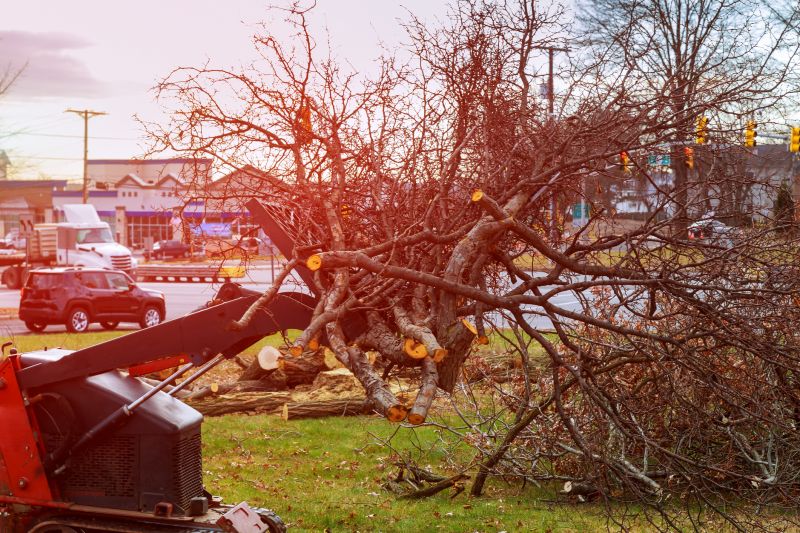
Specialized equipment is used to safely remove trees during dormant seasons.
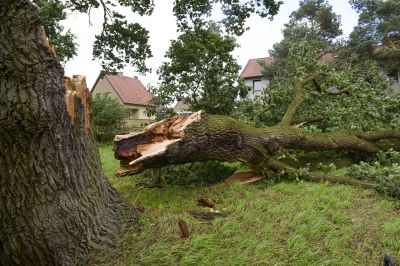
Emergency removals often take precedence regardless of season.
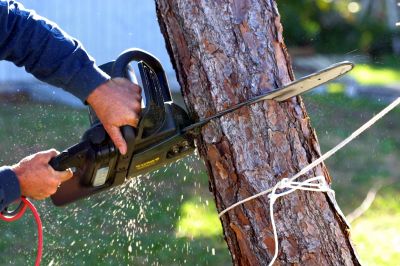
Spring removals require careful planning to avoid active growth periods.
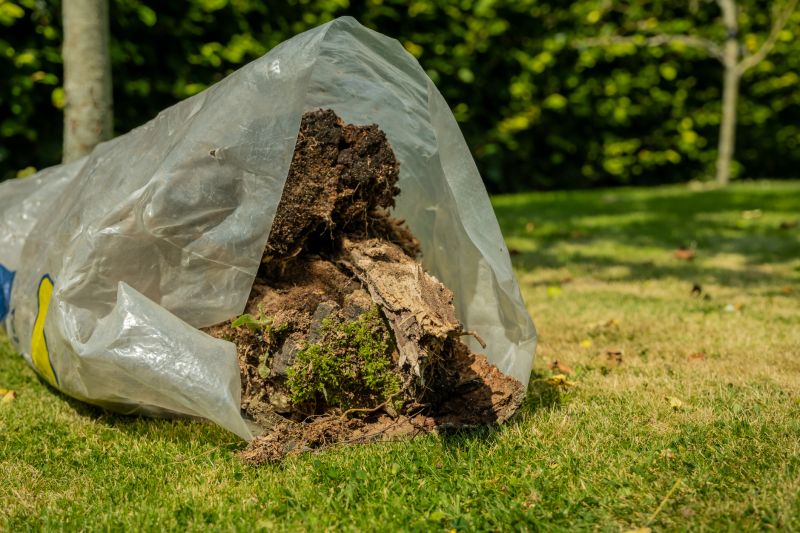
Timing influences replanting and landscape restoration efforts.
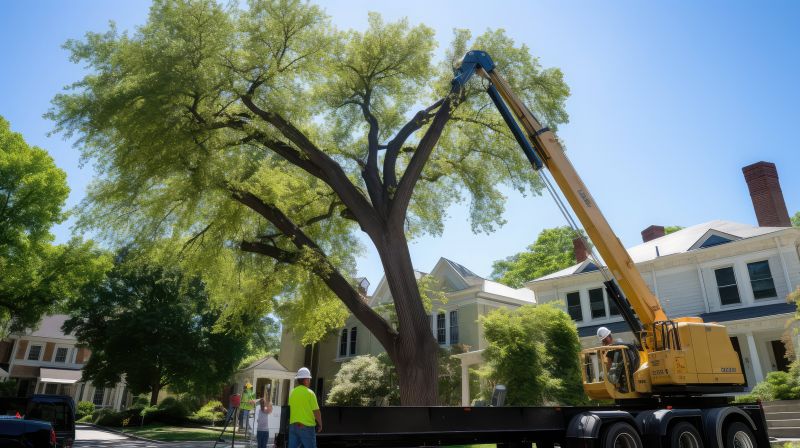
Simple add-ons that improve Tree Removals without blowing the budget.

High-end options that actually feel worth it for Tree Removals.
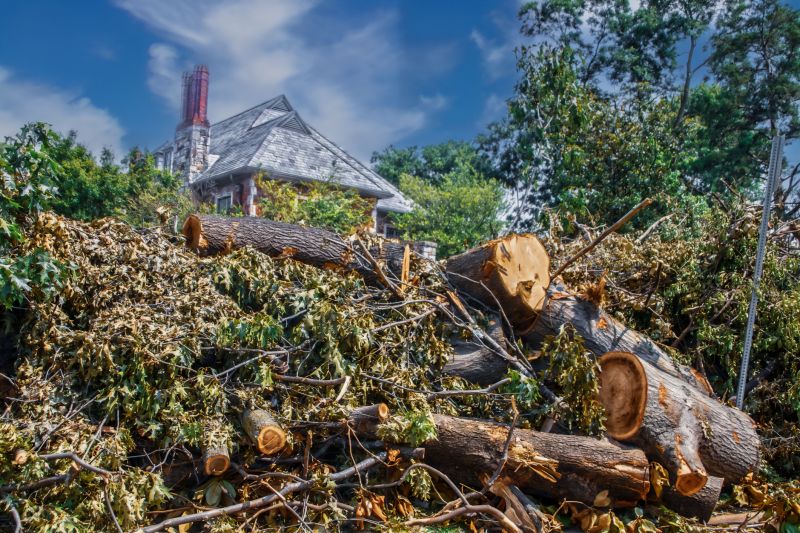
Finishes and colors that play nicely with Tree Removals.

Little measurements that prevent headaches on Tree Removals day.
Interested in scheduling a tree removal? Filling out the contact form can provide additional guidance on the best timing for specific trees and circumstances. Proper timing ensures safety, efficiency, and minimized impact on the landscape.